
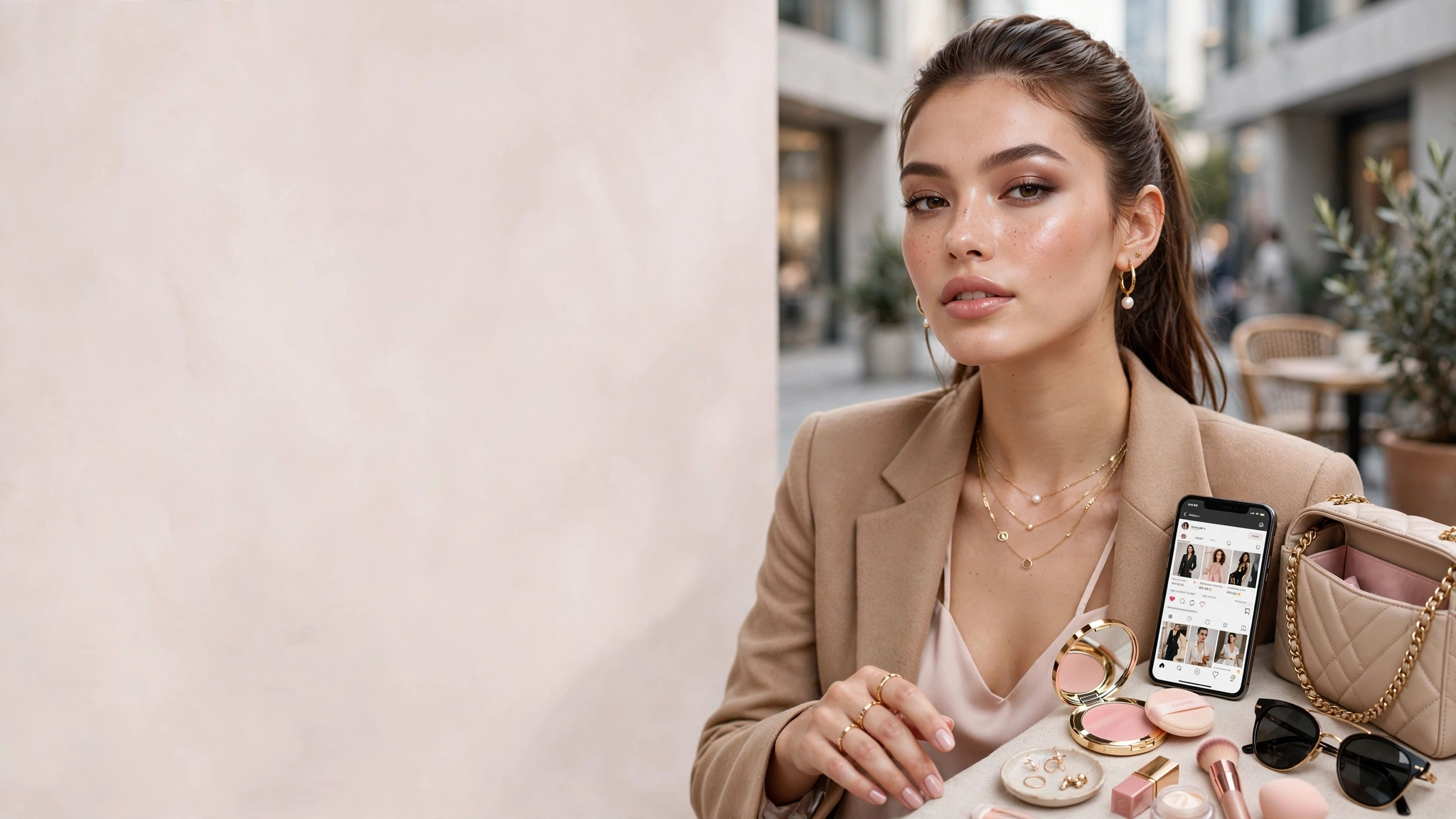
baddie hub: Guide to Confidence, Style & Self-Expression
In today’s digital culture, personal style has become much more than choosing an outfit or following a beauty trend. Fashion, makeup, confidence, lifestyle choices, and online communities now work together to shape how people express themselves. This shift has helped create the modern “baddie” aesthetic: a style built around confidence, polished presentation, creativity, individuality, and the freedom to define beauty on personal terms. Within that broader culture, baddie hub has become a useful phrase for discussing the spaces, ideas, trends, and communities connected with this lifestyle.
The concept is especially relevant because the baddie aesthetic is no longer limited to a particular outfit or makeup routine. It can include streetwear, glam fashion, skincare, hair styling, content creation, self-care, photography, social media branding, and personal development. The strongest interpretation of the trend is not simply about looking perfect. Instead, it is about developing a recognizable identity and feeling comfortable enough to express it.
The website thebaddiehub.pro presents the subject through a broad combination of fashion, beauty, lifestyle, entertainment, culture, technology, health, business, and empowerment content. That wider approach makes the topic worth examining from several perspectives rather than reducing it to a single social-media look.
What Does baddie hub Mean?
The phrase baddie hub can be understood in two connected ways. First, it can describe a digital destination where people interested in baddie-inspired fashion, beauty, lifestyle, and self-expression discover ideas and information. Second, it can describe the wider online culture surrounding people who use fashion, beauty, photography, and confidence as forms of personal expression.
The word “baddie” itself has developed a meaning that is quite different from its traditional dictionary associations. In contemporary social-media culture, it commonly refers to someone who presents themselves with confidence and pays attention to appearance, styling, grooming, and personal branding. The aesthetic can be glamorous, edgy, sporty, feminine, minimalist, luxurious, or a mixture of several styles.
A hub, meanwhile, is a central place where different interests meet. Combining these ideas creates a useful description of an online environment where fashion inspiration, makeup techniques, lifestyle discussions, creator culture, and confidence-oriented content can exist together.
This broader interpretation is important because modern audiences rarely separate their interests into isolated categories. Someone searching for an outfit idea may also want a makeup tutorial. Someone learning makeup may be interested in skincare. A creator developing a personal brand may need photography tips, social-media strategy, fashion inspiration, and confidence-building advice at the same time.
That is why a modern baddie-focused website can work as more than a fashion blog. It can become a source of inspiration for readers who want to explore identity, creativity, presentation, and lifestyle as interconnected subjects.
The baddie aesthetic has also evolved considerably. Early online versions were strongly associated with carefully posed photographs, dramatic makeup, fitted clothing, defined brows, contoured features, and highly polished presentation. Over time, the aesthetic became more flexible. Contemporary interpretations can incorporate natural makeup, relaxed streetwear, vintage clothing, athletic pieces, minimalist accessories, or sustainable fashion.
This evolution demonstrates an important point: there is no single formula for being a baddie. The style works best when it becomes a personal language rather than a strict uniform.
The Evolution of the Baddie Aesthetic
The rise of the baddie aesthetic cannot be separated from the development of visual social media. Platforms built around photographs and short videos made it easier for individuals to publish outfits, makeup transformations, hairstyles, lifestyle routines, and carefully constructed personal images.
As these platforms expanded, certain visual characteristics became recognizable. Sculpted makeup, coordinated outfits, statement accessories, polished hairstyles, and confident poses appeared repeatedly across creator communities. Users began borrowing individual elements while adding their own interpretations.
The result was not a single centralized fashion movement. Instead, it became a constantly changing collection of influences.
Streetwear contributed relaxed silhouettes and athletic footwear. Glamour contributed dramatic makeup and accessories. Luxury fashion introduced premium-looking materials and statement pieces. Beauty creators popularized detailed tutorials. Lifestyle creators connected appearance with fitness, skincare, organization, travel, and self-confidence.
Social media also changed the speed at which trends developed. In traditional fashion, a style might take months or years to spread from designers to consumers. Online, an outfit combination can become popular within days. A makeup technique can be demonstrated in a short video and recreated by thousands of people almost immediately.
This speed has both advantages and disadvantages. It gives individuals more opportunities to experiment, but it can also create pressure to constantly change. A person may feel that their wardrobe, makeup collection, or online image is outdated simply because a new trend has appeared.
A healthy interpretation of baddie culture therefore requires balance. Trends can provide inspiration, but they do not need to determine personal worth.
Fashion as a Core Part of baddie hub Culture
Fashion is one of the most visible parts of baddie culture because clothing provides an immediate way to communicate personality. A strong outfit can suggest confidence, creativity, elegance, playfulness, athleticism, or independence before a person even says anything.
The modern baddie wardrobe does not necessarily require expensive designer clothing. Styling is often more important than price. A simple pair of jeans can become part of a striking look when combined with the right top, footwear, jewelry, bag, hairstyle, and makeup.
High-waisted trousers, fitted tops, oversized jackets, crop silhouettes, coordinated sets, denim, leather-inspired textures, sneakers, boots, and statement accessories are common sources of inspiration. However, these are not rules. The most successful personal style usually comes from understanding proportions and combining pieces intentionally.
Color also plays an important role. Some people prefer neutral combinations such as black, white, beige, brown, or gray. Others use vivid pinks, reds, blues, greens, or metallic tones to make their outfits more noticeable.
Texture can be equally important. Denim, knitwear, faux leather, satin, cotton, mesh, and structured materials can create visual contrast even when the colors are simple.
Accessories are another powerful styling tool. Sunglasses, hoops, layered necklaces, bracelets, watches, handbags, belts, and statement footwear can transform an otherwise basic outfit.
The key lesson is that personal style does not require owning an enormous wardrobe. A smaller collection of versatile pieces can often create more combinations than a closet filled with items that only work individually.
Makeup and Beauty in the Modern Baddie Look
Makeup is another major component of the aesthetic, although its role has changed as beauty culture has become more diverse. Traditional baddie-inspired makeup often emphasized a smooth base, defined brows, sculpted facial features, dramatic lashes, precise eyeliner, and carefully shaped lips.
Contemporary beauty trends have expanded this formula. Some people prefer full glam, while others choose a lighter version that keeps the focus on skin, brows, lashes, or lips.
The first step in almost any successful makeup routine is preparation. Clean skin, appropriate hydration, and a suitable base can make makeup look more natural and comfortable. Makeup should enhance a person’s chosen appearance rather than become a requirement for feeling attractive.
Foundation and concealer can be used to create an even complexion, while contour and bronzer can add definition. Blush can bring warmth to the face, and highlighter can create a luminous effect. The exact combination depends on skin type, face shape, lighting, and personal preference.
Brows are particularly influential because they frame the face. Some people prefer sharply defined brows, while others prefer a softer, brushed-up appearance. Both approaches can fit within a modern baddie-inspired look.
Eye makeup provides another opportunity for creativity. Winged eyeliner remains popular, but graphic liner, neutral eyeshadow, shimmer, smoky effects, and colorful looks can all produce different moods.
Lips can be equally expressive. Nude combinations, brown liners, gloss, matte finishes, pinks, reds, and deeper shades can change the character of an entire makeup look.
The most useful approach is experimentation. Instead of trying to copy one person’s face exactly, it is better to identify individual techniques that work well and adapt them to personal features.
Hair, Skincare, and the Complete Beauty Routine
A polished appearance is not created by makeup alone. Haircare and skincare are important parts of the broader beauty routine because they contribute to overall presentation.
Hair styling within baddie culture is particularly versatile. Sleek straight hair, waves, curls, ponytails, braids, buns, bobs, extensions, and protective styles can all be incorporated into different interpretations of the aesthetic.
The important principle is consistency with personal identity. A hairstyle should not be selected simply because it is popular. Face shape, hair texture, maintenance requirements, lifestyle, and comfort should all be considered.
Skincare is similarly personal. There is no universal routine that works perfectly for everyone. A simple routine that includes gentle cleansing, moisturizing, and appropriate sun protection can be a more practical foundation than constantly buying new products.
Beauty content can sometimes create the impression that a person needs dozens of products to look polished. In reality, understanding a small number of reliable techniques is often more valuable than owning an enormous collection.
This is another area where the baddie concept can be interpreted positively. Instead of viewing beauty as an obligation, people can treat it as creative self-care.
Confidence Is More Important Than Perfection
One of the most valuable ideas associated with the baddie aesthetic is confidence. Clothing and makeup may attract attention, but confidence determines how naturally a person carries their chosen style.
Confidence does not mean believing that you are better than everyone else. It means being comfortable with your identity and understanding that you do not need universal approval.
This distinction matters because social media can create unrealistic comparisons. A photograph may involve professional lighting, carefully selected angles, editing, filters, makeup, styling, and multiple attempts. Comparing everyday life with someone else’s most carefully constructed online image can therefore produce an unfair judgment.
A healthier approach is to use online inspiration as a creative reference rather than a measurement of personal value.
Confidence can also develop outside appearance. Learning a skill, maintaining healthy routines, communicating clearly, managing money, developing a career, or pursuing education can contribute to a much stronger sense of self.
The best version of baddie culture therefore includes internal development. Looking good can be enjoyable, but feeling capable is even more powerful.
How Social Media Shapes baddie hub Trends
Social media is one of the main engines behind modern aesthetic culture. Instagram, TikTok, YouTube, Pinterest, and other visual platforms allow users to discover styles from different countries and communities.
This creates a global exchange of ideas. A hairstyle developed in one community can inspire another creator thousands of miles away. A fashion combination can move between cultures and become something entirely new.
Short-form video has accelerated this process. Tutorials can demonstrate makeup techniques in seconds. Outfit videos can show several combinations using the same clothing item. “Get ready with me” content can turn an ordinary routine into a form of entertainment.
Creators have also become important trend interpreters. Instead of simply presenting products, many creators explain how to combine them, when to use them, and how to adapt trends to different lifestyles.
However, algorithms can also encourage repetition. Once a person interacts with a particular type of content, platforms may show increasingly similar material. This can make one aesthetic appear more dominant than it really is.
For this reason, intentional exploration is useful. Following creators from different backgrounds can expose users to a wider range of fashion, beauty, and lifestyle ideas.
Building a Personal baddie hub Style
Creating a recognizable style does not require copying a celebrity or influencer. It starts with understanding what you genuinely like.
Begin by identifying three to five words that describe the desired aesthetic. These might include polished, sporty, glamorous, edgy, feminine, minimalist, relaxed, luxurious, or playful.
Next, examine the wardrobe. Which pieces are used most often? Which colors repeatedly appear? Which silhouettes feel comfortable? Which clothing items receive compliments?
The answers can reveal a natural style direction.
The next stage is experimentation. Try combining familiar pieces in unfamiliar ways. Pair casual clothing with one statement accessory. Add a structured jacket to a relaxed outfit. Change the footwear. Experiment with jewelry.
Photography can also help. A mirror photograph or simple outfit picture can reveal proportions and color combinations that may not be obvious while getting dressed.
Another important strategy is repetition. A personal style becomes recognizable when certain elements appear consistently. This could be a favorite color, jewelry style, hairstyle, makeup detail, or type of footwear.
Personal branding works in a similar way. Creators who maintain a coherent visual identity are often easier for audiences to recognize.
Creating Content Around the Baddie Lifestyle
For creators, the baddie niche offers many content opportunities. Fashion posts can include outfit combinations, seasonal styling, capsule wardrobes, affordable alternatives, and personal lookbooks.
Beauty creators can focus on tutorials, product comparisons, skincare routines, beginner guides, makeup transformations, or technique-based education.
Lifestyle creators can expand beyond appearance into organization, confidence, wellness, career development, travel, productivity, and personal growth.
The most valuable content usually solves a problem or gives the audience a clear takeaway. Instead of posting only “look at my outfit,” a creator might explain how to style one basic pair of trousers in five different ways.
Instead of simply showing a makeup look, the creator could explain how to make the routine faster for beginners.
Educational content also has long-term value because viewers can return to it when they need the information again.
Authenticity matters as well. A creator does not have to pretend that every day is glamorous. Showing realistic routines can make content more relatable and trustworthy.
Responsible Consumption and the Baddie Lifestyle
One criticism of aesthetic culture is that it can encourage excessive consumption. Constant exposure to new clothing, cosmetics, accessories, and luxury products may make people believe they always need something else.
A more sustainable approach is to distinguish between inspiration and purchasing.
Before buying a new item, consider whether it works with existing clothing, whether it will be used regularly, and whether it solves an actual need.
Thrift stores, clothing swaps, secondhand marketplaces, repairs, tailoring, and creative restyling can all provide alternatives to constant new purchases.
A polished look is not necessarily an expensive look. Styling, fit, cleanliness, coordination, and confidence often have a greater visual effect than a brand name.
This mindset also makes personal style more accessible. People can participate in baddie-inspired fashion regardless of their budget.
Digital Safety and Privacy
Anyone participating in online communities should also think about privacy. Attractive photographs and lifestyle content can generate attention, but not every form of attention is positive.
Creators should be careful about revealing private information such as home addresses, daily routines, financial details, passwords, personal documents, or locations in real time.
Strong passwords, multi-factor authentication, careful privacy settings, and awareness of suspicious messages are simple but important precautions.
Content creators should also respect copyright. Using another person’s photographs, videos, music, or written material without permission can create problems. Original content is usually the safest foundation for a long-term online presence.
Community members should also remember that screenshots and reposts can extend beyond the original audience. Before posting something publicly, it is worth considering whether the content would still feel comfortable if it were seen outside the intended context.
The Positive Side of Baddie Culture
At its best, baddie culture can encourage creativity and self-confidence. It gives people permission to experiment with appearance instead of treating fashion as a rigid set of rules.
It can also provide community. People with similar interests can exchange styling advice, celebrate achievements, share tutorials, and encourage one another.
For creators, these communities can provide opportunities to develop photography, video editing, writing, marketing, communication, and entrepreneurial skills.
There is also an important cultural dimension. Online aesthetics allow people from different backgrounds to influence one another. Instead of fashion being dictated exclusively by traditional institutions, everyday users can contribute ideas and build trends.
This democratization of style is one of the most interesting aspects of the modern baddie movement.
The Challenges of Online Beauty Culture
The positive side should not prevent a realistic discussion of the challenges.
One major issue is comparison. When people repeatedly view highly edited images, they may begin to believe that flawless skin, perfect bodies, expensive clothing, and constant happiness are normal.
Another issue is trend fatigue. Fashion changes quickly, and constantly trying to keep up can become exhausting.
Financial pressure can also develop when users feel they need to purchase every viral product or outfit.
Finally, there is the risk of reducing personal identity to appearance. Fashion and beauty can be meaningful forms of expression, but they should exist alongside relationships, education, work, creativity, health, and other parts of life.
A strong personal identity is much broader than an aesthetic.
Why baddie hub Can Be More Than an Aesthetic
The most interesting interpretation of baddie hub is not simply a place to find makeup or clothing ideas. It represents a broader intersection between appearance, identity, community, and digital culture.
The concept works because modern audiences want more than isolated tutorials. They want context. They want to understand why a trend matters, how to adapt it, where it came from, and how it fits into everyday life.
That creates room for content about confidence, entrepreneurship, culture, technology, entertainment, wellness, and personal development alongside fashion and beauty.
The website thebaddiehub.pro reflects this broader editorial direction by covering subjects beyond appearance. Readers can use the site as a starting point for exploring different parts of contemporary lifestyle culture.
Practical Tips for Developing Your Own Baddie-Inspired Identity
The first practical step is to stop thinking about the aesthetic as a checklist. You do not need a particular body type, skin tone, hairstyle, clothing brand, or makeup collection.
Start with confidence and comfort.
Choose clothing that makes you feel good. Learn makeup techniques gradually. Develop a skincare routine that fits your needs. Experiment with hair without feeling obligated to maintain one specific look.
Build a wardrobe around versatility rather than trends. Select several reliable basics and add a few statement pieces that reflect your personality.
For content creation, focus on quality rather than constant posting. A useful tutorial, thoughtful article, well-composed photograph, or honest review can provide more value than repetitive content.
For social media consumption, follow accounts that make you feel inspired rather than inadequate. If certain content consistently creates negative comparisons, muting or unfollowing it is a reasonable form of digital self-care.
Most importantly, remember that confidence is not something that comes from a perfect appearance. It grows through action. Trying something new, learning from mistakes, keeping promises to yourself, and developing useful skills can build a much deeper form of confidence.
The Future of baddie hub Culture
The future of baddie culture will probably be more diverse than its earlier versions. As audiences become increasingly comfortable with mixing aesthetics, strict categories are likely to matter less.
Luxury and thrift fashion can coexist. Glam makeup can exist alongside natural beauty. Streetwear can be combined with formal pieces. Traditional beauty standards can be challenged by creators who emphasize individuality and authenticity.
Technology will also continue to influence the experience. Artificial intelligence, personalized recommendations, virtual styling tools, augmented-reality makeup, and improved editing applications may make experimentation easier.
However, technology will not eliminate the importance of personal judgment. A recommendation engine can suggest an outfit, but the individual still decides whether that outfit represents them.
This may ultimately push baddie culture toward a more personalized future. Instead of one dominant definition of what a baddie looks like, there may be thousands of distinct interpretations.
That is a positive development because individuality has always been one of the strongest ideas behind the aesthetic.
Frequently Asked Questions About baddie hub
What is baddie hub?
baddie hub can refer to an online destination or broader digital community focused on baddie-inspired fashion, beauty, confidence, lifestyle, and self-expression. The concept can also include related topics such as entertainment, wellness, culture, technology, and creator development.
Is the baddie aesthetic only about makeup?
No. Makeup is only one part of the aesthetic. Fashion, hair, accessories, photography, confidence, lifestyle choices, and personal branding can all contribute to a baddie-inspired identity.
Do you need expensive clothes to create a baddie look?
Not at all. Styling, coordination, fit, accessories, grooming, and confidence can make affordable clothing look polished. Secondhand and existing wardrobe pieces can also be incorporated creatively.
Can the baddie aesthetic be minimalist?
Yes. A baddie-inspired look does not have to be dramatic. A clean outfit, simple makeup, polished hair, understated accessories, and confident presentation can create a minimalist interpretation.
Is baddie culture suitable for everyone?
The aesthetic can be adapted by anyone who enjoys its principles of creativity and self-expression. There is no requirement to follow every trend or copy a particular creator.
How can creators make better baddie-related content?
Creators should focus on useful, original, and authentic material. Tutorials, styling guides, honest experiences, educational posts, transformations, and practical tips can provide value while allowing creators to develop a distinctive identity.
How can people avoid unhealthy comparison?
Remember that online images often represent carefully selected moments rather than complete realities. Follow diverse creators, limit content that makes you feel inadequate, and treat social media as inspiration rather than a standard for personal worth.
Where can I find more content related to this topic?
Readers can explore the broader collection on thebaddiehub.pro, which covers baddie culture alongside fashion, beauty, lifestyle, entertainment, health, technology, business, culture, and empowerment.
Final Thoughts
The modern baddie hub concept is ultimately about much more than appearance. Fashion and beauty may provide the most visible elements, but confidence, creativity, individuality, community, and self-expression give the culture its lasting appeal.
A person does not become confident by following a perfect formula. Confidence develops when people understand what they like, make choices for themselves, learn new skills, and become comfortable expressing their identity.
That is why the most sustainable version of baddie culture is personal rather than prescriptive. Trends can provide ideas, but individuality determines how those ideas are used.
Whether someone prefers dramatic makeup and statement fashion or understated clothing and natural beauty, the central principle remains the same: personal style should serve the individual, not the other way around.
As digital communities continue to influence fashion, beauty, entertainment, and lifestyle, the idea behind baddie hub is likely to keep evolving. New creators will introduce new aesthetics, audiences will reinterpret existing trends, and technology will provide new ways to discover and share inspiration.
The result will not be one fixed definition of the baddie lifestyle. Instead, it will be an increasingly diverse collection of identities, styles, stories, and creative expressions—exactly what makes modern online culture so dynamic.