baddie.hub: Fashion, Beauty & Lifestyle Guide
The digital world has transformed the way people discover fashion, beauty, lifestyle inspiration, and communities built around shared interests. Within this constantly changing environment, baddie.hub represents a concept closely associated with confidence, personal style, beauty, creativity, and online community culture.
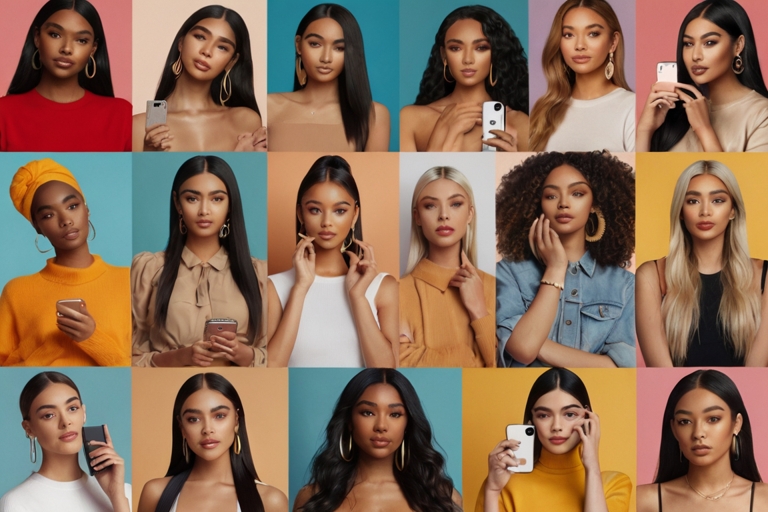
The modern baddie aesthetic is not simply about wearing fashionable clothes or applying dramatic makeup. It is a broader form of self-expression that brings together fashion, beauty, hairstyles, photography, social media, lifestyle choices, confidence, and individuality. For some people, it may mean polished glam and statement outfits. For others, it may involve streetwear, minimalist beauty, natural hairstyles, athleisure, or a combination of several different styles.
The important idea is that there is no single formula for becoming a baddie. Personalization is what makes the aesthetic interesting.
The concept has also developed alongside platforms such as Instagram and TikTok, where users can share outfits, makeup routines, transformations, tutorials, challenges, and lifestyle content. The BaddieHub website describes this broader culture as a community centered on individuality, confidence, self-expression, fashion, beauty, and empowerment.
This guide explores baddie.hub in detail, including its meaning, the development of baddie culture, fashion trends, makeup, aesthetics, social media, content creation, body positivity, lifestyle, community participation, and the importance of maintaining authenticity in a highly visual online environment.
What Is baddie.hub?
The term baddie.hub can be understood as a digital representation of the modern baddie lifestyle and the online communities surrounding it. The word “baddie” has become associated with people who express confidence through their appearance, fashion choices, beauty routines, attitude, and creative identity. The word “hub” suggests a central place where inspiration, information, creators, trends, and communities come together.
This makes the concept considerably broader than a single fashion trend.
A baddie-focused digital environment can include fashion inspiration, makeup tutorials, hairstyle ideas, lifestyle content, photography, social-media discussions, creator resources, and community interaction. The objective is generally not to tell everyone exactly how they should look. Instead, it provides ideas that people can adapt to their own personality and preferences.
The existing BaddieHub culture guide presents baddie culture as an expression of individuality, empowerment, creativity, and confidence. It also explains how social media helped the aesthetic move from a niche visual trend into a broader cultural phenomenon.
This distinction is important because the word “baddie” can sometimes be interpreted too narrowly. A person does not need a particular body shape, expensive wardrobe, elaborate makeup collection, or professional photography setup to participate in the culture.
The central idea is intentional self-expression.
Someone may express the aesthetic through a carefully coordinated outfit. Someone else may focus on makeup. Another person may enjoy creating videos, discussing fashion, experimenting with photography, or encouraging others to feel confident.
That flexibility is one reason the concept continues to attract attention.
How Baddie Culture Developed
Baddie culture developed through the interaction of fashion, beauty, celebrity influence, photography, and social media. Image-focused platforms made it possible for ordinary users to share highly visual representations of their daily lives.
During the growth of Instagram and similar platforms, fashion photographs became more than personal memories. They became a form of communication and branding. Users began experimenting with carefully coordinated outfits, makeup, hairstyles, poses, backgrounds, and editing.
The resulting aesthetic combined influences from several areas.
Streetwear contributed oversized silhouettes, sneakers, hoodies, graphic pieces, and casual styling. Glamour contributed sculpted makeup, fitted clothing, dramatic accessories, and polished presentation. High fashion contributed luxury-inspired details, while social media made these combinations accessible to enormous audiences.
Influencers accelerated the process.
A successful makeup tutorial could introduce thousands of people to a new technique. A distinctive outfit combination could inspire an entire trend. A viral challenge could encourage users around the world to reinterpret the same concept.
The BaddieHub TikTok and Instagram article explores the role of these platforms in expanding baddie culture. TikTok’s short-form video format is particularly suitable for makeup transformations, outfit changes, tutorials, challenges, and quick lifestyle demonstrations, while Instagram’s visual format provides a natural environment for curated fashion and beauty photography.
The result is a culture that continues to evolve rather than remaining fixed.
Why baddie.hub Is More Than an Aesthetic
It is easy to assume that baddie culture is primarily about appearance. Fashion and makeup are certainly visible components, but confidence and identity are equally important.
Aesthetic trends become meaningful when individuals use them to communicate something about themselves.
For example, wearing a bold outfit can communicate confidence. Experimenting with makeup can represent creativity. Choosing a particular hairstyle can express cultural identity or personal preference. Creating fashion content can become a form of entrepreneurship or personal branding.
The broader concept of baddie.hub therefore connects appearance with self-expression.
This is also why copying another person’s entire appearance is not necessarily the best way to participate. Inspiration works better when it becomes personalized.
A person might admire a creator’s makeup but combine that makeup with a completely different fashion style. Someone might like streetwear but prefer natural makeup. Another person might enjoy glamorous clothing while keeping their hairstyle simple.
The result is more authentic because it reflects the individual rather than reproducing somebody else’s identity.
The BaddieHub aesthetics guide explores this combination of boldness, femininity, confidence, fashion, beauty, and creativity in greater detail.
baddie.hub and Fashion
Fashion is one of the strongest components of the baddie aesthetic because clothing provides an immediate visual form of self-expression.
Baddie-inspired fashion often combines fitted pieces with oversized items, casual streetwear with glamorous accessories, and affordable basics with statement pieces. This mixture makes the style adaptable.
A wardrobe might include high-waisted jeans, fitted tops, crop tops, oversized jackets, leggings, dresses, sneakers, boots, heels, handbags, and statement jewelry.
However, individual pieces do not automatically create a particular aesthetic. Styling is what makes them work together.
For example, a simple pair of jeans can look casual with sneakers and a hoodie. The same jeans can look more polished with heels, a fitted top, jewelry, and a structured handbag.
This flexibility is one of the strengths of baddie fashion.
The site’s BaddieHub Fashion guide describes the aesthetic as a combination of streetwear, high-fashion influence, personalization, bold colors, accessories, and contemporary trends. It also discusses DIY fashion and the growing importance of individual customization.
The idea is not to purchase an entirely new wardrobe whenever a trend appears. Instead, people can learn how to reinterpret existing clothing.
Building a Baddie-Inspired Wardrobe
A successful wardrobe begins with versatile basics.
Neutral tops, jeans, leggings, simple dresses, jackets, comfortable footwear, and versatile accessories can provide a foundation for multiple outfits. Once these pieces are established, statement items can be added gradually.
Statement pieces might include a colorful jacket, dramatic boots, a distinctive handbag, oversized sunglasses, bold jewelry, or an unusual printed garment.
Accessories are particularly useful because they can transform an outfit without requiring a complete change of clothing.
For example, a basic black outfit can appear minimalist with small jewelry and simple shoes. The same outfit can become more dramatic with oversized sunglasses, a statement handbag, layered necklaces, and bold footwear.
Fit is also essential.
Clothing does not need to be expensive to look polished. A well-fitting affordable garment can often create a stronger impression than a costly item that does not suit the wearer.
Personal comfort should matter as well. If an outfit looks fashionable but makes the wearer uncomfortable, it is unlikely to create genuine confidence.
The BaddieHub Style Essentials guide provides additional information about foundational pieces such as high-waisted bottoms, statement tops, bold footwear, makeup essentials, accessories, and the importance of confidence.
Color, Texture, and Styling
Color can dramatically influence an outfit.
Neutral colors such as black, white, beige, brown, and gray create a versatile foundation. Brighter colors can then be introduced through individual statement pieces.
Some people prefer a monochromatic approach, while others enjoy combining contrasting shades.
Prints can also add personality. Animal prints, graphic patterns, abstract designs, and colorful motifs can make an otherwise simple outfit more distinctive.
Texture is another useful styling tool.
Denim creates a casual impression. Satin can create a more elegant appearance. Knitwear feels relaxed and comfortable. Leather-look materials can create an edgier aesthetic.
Layering allows several textures and shapes to work together.
A fitted top under an oversized jacket creates contrast. A dress combined with a casual jacket can mix feminine and streetwear influences. Athletic clothing can be elevated with accessories and structured outerwear.
These combinations demonstrate that baddie fashion is less about following one formula and more about understanding how different elements interact.
Makeup and Beauty in baddie.hub
Makeup is another major part of the aesthetic.
The traditional baddie-inspired makeup look often emphasizes a polished complexion, defined brows, dramatic lashes, eyeliner, sculpted features, and glossy or defined lips. However, contemporary interpretations can range from full glam to much more natural approaches.
The BaddieHub Makeup guide explores the traditional makeup approach in detail, including complexion preparation, foundation, concealer, contouring, highlighting, eye makeup, lashes, eyeliner, and lips.
A strong makeup routine usually begins with preparation.
Clean, moisturized skin provides a more comfortable base for makeup. Different people have different skincare needs, so there is no universal routine that works for everyone.
Foundation and concealer can then be used according to the desired coverage. Some people prefer a lightweight finish, while others enjoy fuller coverage.
Contour and bronzer can add dimension, while highlighter can emphasize areas where light naturally falls.
Brows help frame the face. They can be sharply defined or softly shaped depending on the desired effect.
Eye makeup provides enormous creative flexibility. Smoky eyes, winged eyeliner, shimmer, graphic liner, colorful eyeshadow, and dramatic lashes are all possible interpretations.
Finally, lips can complete the appearance. Nude shades, lip liner, gloss, pinks, reds, and deeper colors can create very different moods.
Developing a Personal Makeup Style
A common mistake is assuming that a baddie makeup routine must be complicated.
A simpler approach can be more sustainable.
Start with a small number of techniques that you enjoy. For example, someone might focus on glowing skin, defined brows, mascara, and lip gloss. Another person may prefer dramatic eyes and neutral lips.
Once those techniques become comfortable, additional elements can be introduced.
This gradual process also helps people discover what suits their facial features, lifestyle, and personal preferences.
Makeup should be a creative option rather than a requirement. A person can participate in baddie culture while wearing minimal makeup or no makeup at all.
The important element is the confidence to make choices that feel authentic.
Hair and Accessories
Hair can significantly change the overall character of an outfit.
Sleek styles, curls, waves, braids, ponytails, buns, natural textures, and protective hairstyles can all work within the broader aesthetic.
Rather than treating one hairstyle as the definition of a baddie, it is more useful to view hair as another creative tool.
Accessories can further personalize an appearance.
Earrings, necklaces, bracelets, rings, watches, sunglasses, handbags, belts, scarves, and hair accessories can become recognizable parts of someone’s personal style.
A small collection of signature accessories may actually be more useful than constantly purchasing new items.
For example, someone might consistently wear gold jewelry, oversized sunglasses, or a particular style of handbag. These recurring elements can become part of their visual identity.
Social Media and baddie.hub Culture
Social media has been fundamental to the growth of baddie culture.
Instagram provided a visual space for carefully curated photographs. TikTok accelerated trend development through short videos. YouTube allowed creators to publish longer tutorials, transformations, reviews, and lifestyle discussions.
These platforms also changed who could participate in trend creation.
Fashion trends no longer come exclusively from designers and celebrities. Ordinary users can create an outfit combination, makeup technique, hairstyle, or challenge that becomes widely shared.
This makes digital communities highly dynamic.
The BaddieHub on TikTok and Instagram guide explains how hashtags, creators, visual content, tutorials, fashion posts, and lifestyle content contribute to the spread of baddie culture.
However, social media also introduces challenges.
Highly curated images can make ordinary life appear less attractive than it really is. People may compare their unedited appearance to another person’s carefully selected and edited photographs.
Healthy participation therefore requires perspective.
Social media should be treated as a source of inspiration rather than a measurement of personal worth.
Content Creation and Personal Branding
The baddie aesthetic is especially relevant to creators because it provides many potential content categories.
A creator can focus on fashion, beauty, lifestyle, photography, confidence, wellness, or a combination of these topics.
Fashion creators might publish outfit ideas, styling tutorials, seasonal looks, or affordable alternatives.
Beauty creators can create makeup tutorials, product discussions, transformations, and beginner guides.
Lifestyle creators might cover routines, self-care, organization, wellness, travel, or personal development.
The strongest creators usually develop a recognizable identity.
That does not mean every post must look identical. Instead, there should be a consistent point of view.
Someone might become known for affordable styling. Another creator might specialize in bold glam. Someone else might focus on natural beauty and body confidence.
This specialization makes it easier for an audience to understand why they should follow a particular creator.
The main BaddieHub guide also discusses creator opportunities, profiles, user-generated content, tutorials, and community participation as important elements of the broader ecosystem.
BaddieHub TV and Multimedia Content
Video has become an important part of online lifestyle communities because it allows creators to demonstrate techniques rather than merely describe them.
The BaddieHub TV guide discusses video tutorials, live broadcasts, fashion content, makeup guides, fitness and wellness material, interactive challenges, curated playlists, and Q&A sessions.
Video is particularly useful for makeup because viewers can see the sequence of application. Fashion videos can demonstrate styling changes, while lifestyle videos can show routines and transformations.
Interactive content can also strengthen community participation.
Challenges give viewers an opportunity to recreate a look or interpret a theme. Polls allow audiences to express preferences. Live sessions provide opportunities for direct questions and conversations.
This creates a relationship between creator and audience that is more interactive than simply viewing photographs.
Community and Connection
The “hub” concept is particularly relevant because online communities are built around shared interests.
A community becomes valuable when people can exchange ideas, ask questions, share experiences, and encourage one another.
Within baddie culture, members may discuss clothing, makeup, hairstyles, photography, lifestyle routines, or social-media strategies.
Community participation can also encourage collaboration.
Two creators might work together on a fashion challenge. A makeup creator could collaborate with a hairstylist. A photographer could partner with a fashion creator.
These collaborations can introduce audiences to new perspectives while giving creators opportunities to learn from each other.
The goal should be constructive interaction rather than competition.
A healthy community allows different interpretations of the aesthetic instead of demanding that everyone look identical.
Body Positivity and Inclusivity
Body positivity is an important part of a healthy interpretation of baddie culture.
Fashion should not be limited to one body type. People of different sizes, heights, shapes, ages, and backgrounds can experiment with the same aesthetic in different ways.
The BaddieHub Fashion article discusses size inclusivity and the representation of different body types within the fashion community.
This matters because confidence should not depend on achieving a particular appearance.
Clothing can be used to celebrate the body rather than criticize it.
Someone can choose fitted clothing because they enjoy it. Another person can prefer oversized pieces. Someone may love crop tops, while another may prefer layered outfits.
There is no universal requirement.
The same principle applies to natural beauty. Natural hair textures, different skin tones, facial features, and personal beauty preferences should have room within the broader culture.
Confidence Without Comparison
Confidence is perhaps the most important concept associated with the baddie lifestyle.
However, confidence should not mean believing that one person is better than another.
Real confidence is more closely connected to comfort with personal choices.
A person can wear an inexpensive outfit and feel confident. Another person may feel confident in designer clothing. Someone else may feel most comfortable with minimal makeup.
The important factor is ownership of the decision.
Online comparison can undermine this.
When people repeatedly compare themselves with highly curated images, they may forget that social media usually presents selected moments rather than complete realities.
A healthier question is not, “Why don’t I look like this person?”
A better question is, “What do I like about this style, and how can I adapt it to myself?”
This turns comparison into inspiration.
Lifestyle and Wellness
The baddie lifestyle should not revolve entirely around appearance.
Wellness, rest, movement, relationships, hobbies, emotional wellbeing, and personal development are equally important.
The BaddieHub TV content guide includes fitness, self-care, yoga, meditation, skincare, and mental-health discussions among broader lifestyle topics.
A balanced lifestyle might include regular physical activity, adequate sleep, skincare, enjoyable meals, hydration, relaxation, and time away from screens.
The goal should not be perfection.
Instead, wellness should support energy and quality of life.
This is especially important for creators who feel pressure to maintain a constant online presence. Taking breaks from social media can help prevent burnout and make creative work more enjoyable.
Affordable and Sustainable Style
Being fashionable does not require constant shopping.
One of the best ways to create a distinctive wardrobe is to learn how to style existing pieces differently.
A single jacket can be worn with jeans, leggings, dresses, skirts, or trousers. A handbag can work with multiple aesthetics. Jewelry can transform a basic outfit.
Second-hand shopping can also provide unusual pieces without requiring a large budget.
DIY customization is another possibility. Clothing can sometimes be altered, layered, decorated, or restyled to create something more personal.
Sustainability becomes easier when people buy intentionally.
Instead of asking whether something is currently trending, ask whether it will work with existing clothing and whether it represents a style that you genuinely enjoy.
This approach reduces unnecessary purchases while encouraging creativity.
How to Create Your Own baddie.hub Aesthetic
Creating a personal aesthetic begins with observation.
Save images of outfits, hairstyles, makeup looks, accessories, and photography that genuinely attract you.
After collecting enough inspiration, look for patterns.
Maybe you repeatedly choose neutral colors. Perhaps you prefer dramatic eye makeup. Maybe you like oversized jackets and sneakers. Or perhaps you consistently save elegant dresses and minimalist accessories.
These patterns reveal your preferences.
Next, experiment using things you already own.
Try different combinations. Photograph the results. Notice which looks feel comfortable and which feel forced.
Then choose several signature elements.
These could be a particular color palette, jewelry style, hairstyle, makeup feature, or footwear choice.
Over time, these elements can form a recognizable personal identity.
The goal is not to create a perfect appearance immediately. Personal style develops through experimentation.
The Importance of Authenticity
Authenticity is what prevents an aesthetic from becoming a costume.
Trends change constantly. A style that dominates social media today may disappear tomorrow.
If someone builds their entire identity around a trend, keeping up can become exhausting.
A person with a strong individual identity can incorporate trends without becoming dependent on them.
For example, if bold colors become popular, a person who normally wears neutral clothing can introduce one bright accessory. If oversized clothing becomes fashionable, they can experiment with one oversized jacket rather than replacing their wardrobe.
This approach allows trends to become tools rather than rules.
Authenticity also matters for creators.
Audiences can often recognize when content is produced purely because a trend is popular. Creators who share genuine interests are more likely to develop sustainable communities.
Digital Safety and Responsible Participation
Any online community requires awareness of privacy and security.
Users should be careful about sharing personal information publicly. Photographs can sometimes reveal addresses, documents, school details, workplace information, or other identifying information unintentionally.
Strong passwords and additional account-security measures can help protect profiles.
Creators should also be aware of copyright.
Images, videos, music, graphics, and written material may belong to other people. Content should be created originally or used according to appropriate permissions and licenses.
Digital wellbeing is equally important.
Constant notifications and engagement metrics can create pressure. Users should remember that likes, followers, and views do not determine personal value.
A healthy digital presence includes the ability to step away.
Challenges Within Baddie Culture
Although baddie culture can encourage creativity and confidence, it also has potential disadvantages.
One concern is the pressure to look perfect.
Highly edited photographs can create unrealistic expectations about skin, bodies, clothing, and lifestyle.
Materialism can also become an issue when users feel that they must purchase expensive products to look fashionable.
Another challenge is trend fatigue.
Because social media trends move quickly, people can feel pressure to constantly change their wardrobe, makeup, or content strategy.
Creators can experience additional pressure because algorithms often reward frequent engagement.
The solution is not to reject the culture entirely. Instead, users can maintain boundaries.
Choose trends selectively. Set realistic budgets. Take breaks. Follow diverse creators. Focus on creativity rather than perfection.
The existing BaddieHub Culture guide similarly discusses concerns such as overemphasis on perfection, materialism, and content fatigue.
How baddie.hub Can Inspire Creativity
One of the most positive aspects of the concept is its ability to encourage experimentation.
Fashion can become a creative exercise.
Makeup can become art.
Photography can become storytelling.
Content creation can become personal branding.
Community interaction can become collaboration.
This makes the culture useful even for people who are not interested in following every trend.
Someone might use the aesthetic as inspiration for a photoshoot. Another person may develop a fashion page. Someone else might simply learn new makeup techniques.
Creativity does not have to become a career to be valuable.
The Future of Digital Baddie Culture
The future of baddie culture will likely continue to be shaped by technology and changing consumer behavior.
Short-form video will remain important because it makes transformations and tutorials easy to consume.
Virtual and augmented-reality technologies may introduce new ways to experiment with clothing, makeup, and digital identity.
Sustainability is also likely to become more important as consumers become more conscious of overconsumption.
Personalization will continue to matter as audiences increasingly look for creators and communities that reflect specific interests rather than generic trends.
The future may therefore be less about one universal baddie look and more about thousands of individualized interpretations.
Frequently Asked Questions About baddie.hub
What is baddie.hub?
baddie.hub is a term associated with the broader digital baddie lifestyle, including fashion, beauty, confidence, self-expression, social-media culture, content creation, and community.
Is baddie.hub only about fashion?
No. Fashion is an important part of the concept, but beauty, makeup, hairstyles, lifestyle, photography, confidence, wellness, and community are also relevant.
Do I need expensive clothing to follow the baddie aesthetic?
No. Styling, fit, creativity, accessories, and confidence can be more important than price. Existing clothing can also be combined in new ways.
Is baddie culture suitable for different body types?
Yes. A healthy interpretation of the culture should allow people of different body types and backgrounds to participate without requiring them to conform to one physical ideal.
Can beginners learn baddie makeup?
Absolutely. Beginners can start with basic complexion products, brows, mascara, eyeliner, and lip products before progressing to more advanced techniques.
Can baddie fashion be casual?
Yes. Streetwear, sneakers, hoodies, jeans, leggings, oversized jackets, and athleisure can all be incorporated into a baddie-inspired wardrobe.
How can someone develop a personal baddie style?
Start by collecting inspiration, identifying recurring preferences, experimenting with existing clothing and beauty products, and gradually developing signature elements.
Is social media necessary to participate?
No. Social media has helped popularize the aesthetic, but people can explore fashion, makeup, confidence, and self-expression entirely offline.
How can creators build a baddie-focused audience?
Creators should develop a clear niche, produce useful or entertaining content, maintain a recognizable identity, interact with their audience, and prioritize authenticity over simply copying trends.
Final Thoughts
The modern baddie.hub concept is much broader than a collection of fashionable outfits or glamorous makeup looks. It represents a digital culture where fashion, beauty, creativity, confidence, personal identity, and community can intersect.
The most valuable part of the aesthetic is not perfection.
It is self-expression.
Fashion provides a visual language for communicating personality. Makeup can become a creative activity. Hairstyles and accessories can create recognizable personal signatures. Social media can provide opportunities for connection and content creation. Communities can provide inspiration and encouragement.
At the same time, participation should remain balanced.
No one needs to purchase every trend, recreate every viral look, or maintain a flawless appearance every day. The strongest personal style is usually the one that fits the individual’s personality, comfort, lifestyle, and budget.
Readers interested in exploring the subject further can visit The Baddie Hub and explore the site’s related resources on BaddieHub Culture, BaddieHub Fashion, BaddieHub Aesthetics, BaddieHub Style Essentials, BaddieHub Makeup, BaddieHub TV, and BaddieHub on TikTok and Instagram.
Ultimately, the best interpretation of baddie.hub is not about becoming someone else. It is about discovering what makes you feel confident, expressing that identity creatively, and using fashion, beauty, lifestyle, and digital communities as tools for individuality rather than comparison.